
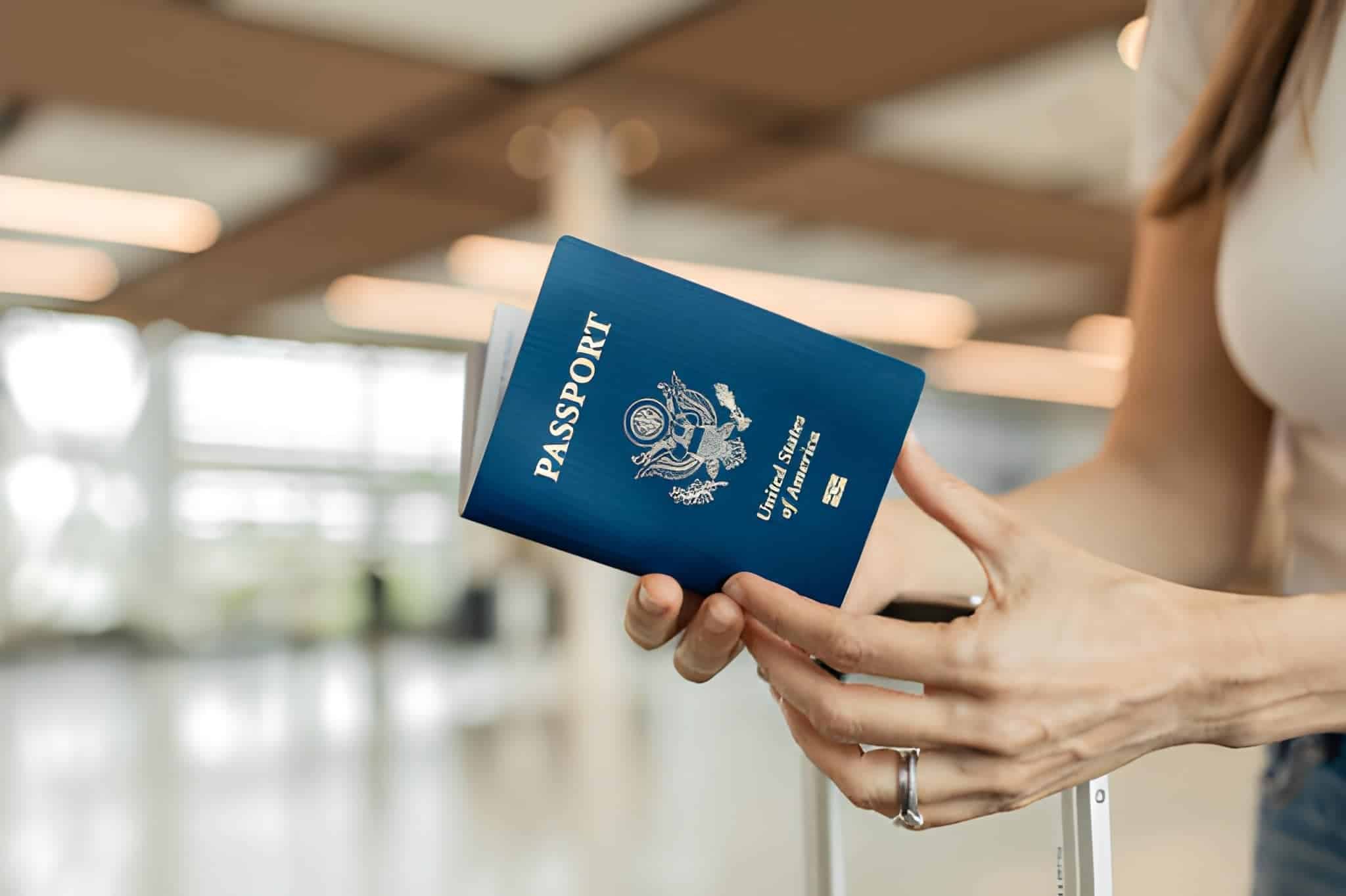
Trips don’t fall apart because someone forgot a passport at home. They fall apart because of small passport details that seemed harmless and turned out to be non-negotiable. After decades of international travel, these are the passport mistakes that stop trips before they start or derail them halfway through.
1. Letting Your Passport Get Too Close To Expiring
Many countries require your passport to remain valid well beyond your return date. Six months is the most common threshold, even for short visits. Airlines enforce this rule before you ever reach immigration, which means you can be denied boarding at your home airport.
A common trap is assuming a short stay means relaxed rules. That assumption gets travelers turned away every day. If international travel is even a possibility this year, checking the expiration date should happen now, not after flights are booked.
2. Trusting Processing Time Estimates Too Much
Official processing timelines rarely reflect the full picture. Mailing time, seasonal backlogs, and internal slowdowns quietly add weeks. A renewal that looks like it takes a month can stretch closer to two once shipping is included both ways.
Peak travel seasons make this worse. Late winter, early summer, and the holidays consistently slow things down. Planning around optimistic timelines leaves no buffer when something slips.
3. Waiting Too Long To Use Faster Processing
Faster processing options help most when used early. Waiting until a trip is weeks away often forces travelers into limited in-person appointments that disappear fast, especially in large cities.
Paying extra earlier often saves far more money than rebooking flights or losing prepaid lodging. Speed options work best as insurance, not a last-ditch fix.
4. Booking Flights Before Checking Name Details

Your passport name must match your ticket and any required visas exactly. Middle names matter in many regions. Hyphens, spacing, and spelling differences can cause problems at check-in.
Name changes due to marriage, divorce, or court orders must be reflected on the passport first. Fixing a ticket is annoying. Fixing identity documents close to departure can be impossible.
5. Running Out Of Blank Pages Without Noticing
Some countries require two or more blank pages for entry stamps or visas. A passport can be valid and still unusable if pages are full or partially stamped.
Frequent travelers often hit this issue unexpectedly, especially when stamps take up full pages or land awkwardly. Choosing a larger passport book during renewal prevents this problem for years and costs nothing extra.
6. Forgetting Children’s Passports Work Differently
Passports for travelers under 16 expire faster and follow stricter rules. They’re valid for five years, not ten, and usually require both parents or guardians during application.
Families often discover this after flights are booked and plans are locked in. Checking everyone’s expiration dates at the same time avoids rushed renewals and last-minute cancellations.
7. Underestimating Visa Processing Delays
Some destinations require visas that are physically placed inside your passport. That means mailing it away and waiting. Embassies operate on their own schedules, and delays are common.
Stacking international trips too closely can create serious problems if a passport doesn’t return on time. Leaving space between trips is a practical habit that prevents forced itinerary changes.
8. Traveling With A Damaged Passport
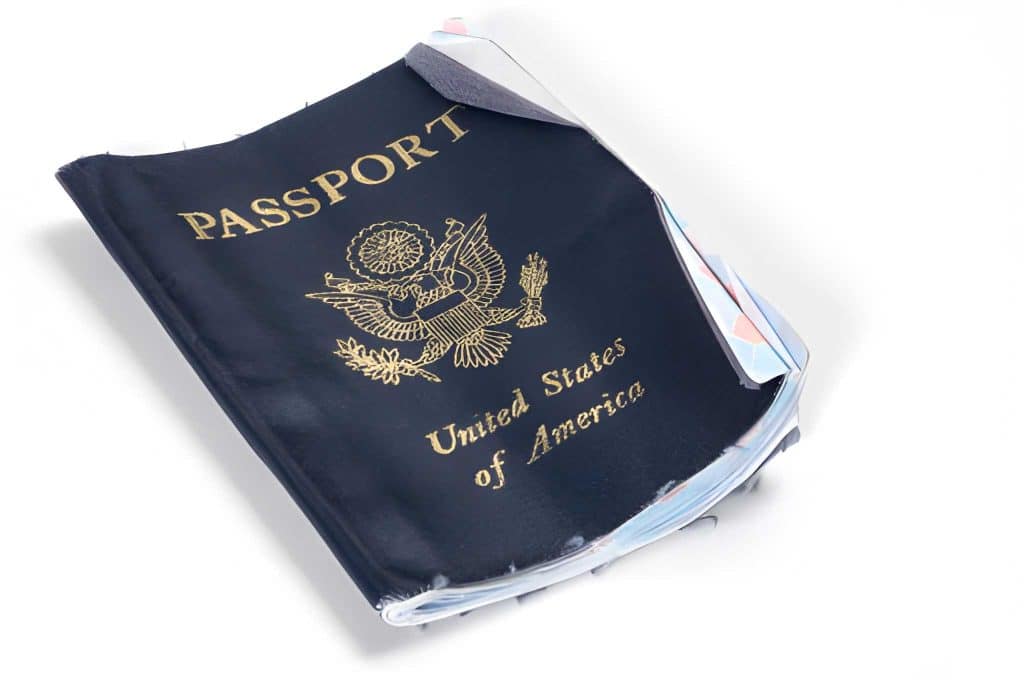
Water damage, peeling pages, bent covers, or faded photos can invalidate a passport. Border officers and airline agents inspect documents closely, and damage raises immediate questions.
A simple protective sleeve prevents spills and wear from bags and pockets. Treat the passport like a sensitive document, not something to toss loosely into a backpack.
9. Carrying No Backup Identification
Losing a passport abroad creates instant stress. Recovery moves faster when you have backups. A paper copy stored separately and a secure digital image can significantly speed up identity verification.
These backups help with police reports, airline rebooking, and embassy appointments. They don’t replace the passport, but they reduce delays when time matters most.
10. Assuming Entry Rules Stay The Same
Entry requirements change quietly and often. Validity windows, onward travel rules, and documentation requirements vary by country and can shift with little notice.
Checking official entry rules a few days before departure catches changes that weren’t in place when flights were booked. This habit prevents surprises at the counter.
When Things Go Wrong Mid-Trip
Passport problems don’t only happen before departure. Loss, theft, or damage often happens abroad, usually in unfamiliar cities where time and language add friction.
Most countries offer emergency travel documents through embassies or consulates. These documents are typically limited and designed to get you home or to a specific next stop. Processing time varies, appointments may be required, and weekends slow everything.
Having copies of your passport, extra photos, and proof of travel speeds the process. Without them, even simple fixes can stretch into multiple days.
Habits That Prevent Passport Problems Altogether
Most passport disasters are avoidable with a few consistent habits. Setting a calendar reminder six months before expiration keeps renewals from sneaking up on you. Reviewing entry rules when flights are booked and again before departure catches changes early.
Checking page space after each major trip helps prevent surprise renewals. Carrying backups reduces stress when something goes missing. Leaving flexibility at the end of a trip allows time for fixes if needed.
Passports aren’t exciting, but they’re foundational. Every international trip depends on a small booklet that most travelers ignore until something breaks. Paying attention to it months ahead protects flights, hotels, and the time you worked hard to set aside.
Smart travel starts long before packing. The passport is where it begins.
Catch Passport Problems Before They Cancel The Trip
Passport rules don’t fail loudly. They fail quietly at check-in, during boarding, or halfway through a journey when fixes are slow and expensive. Inside The Miles Academy, travelers compare the small document checks and timing habits that keep international trips intact instead of scrambling at the counter.
And when you’re setting up the practical side of travel planning and payments ahead of time, this simple card finder tool helps narrow options quickly without overthinking.
